
VIETECHO NEWS | HEALTH & WELLBEING | OCTOBER 8, 2026
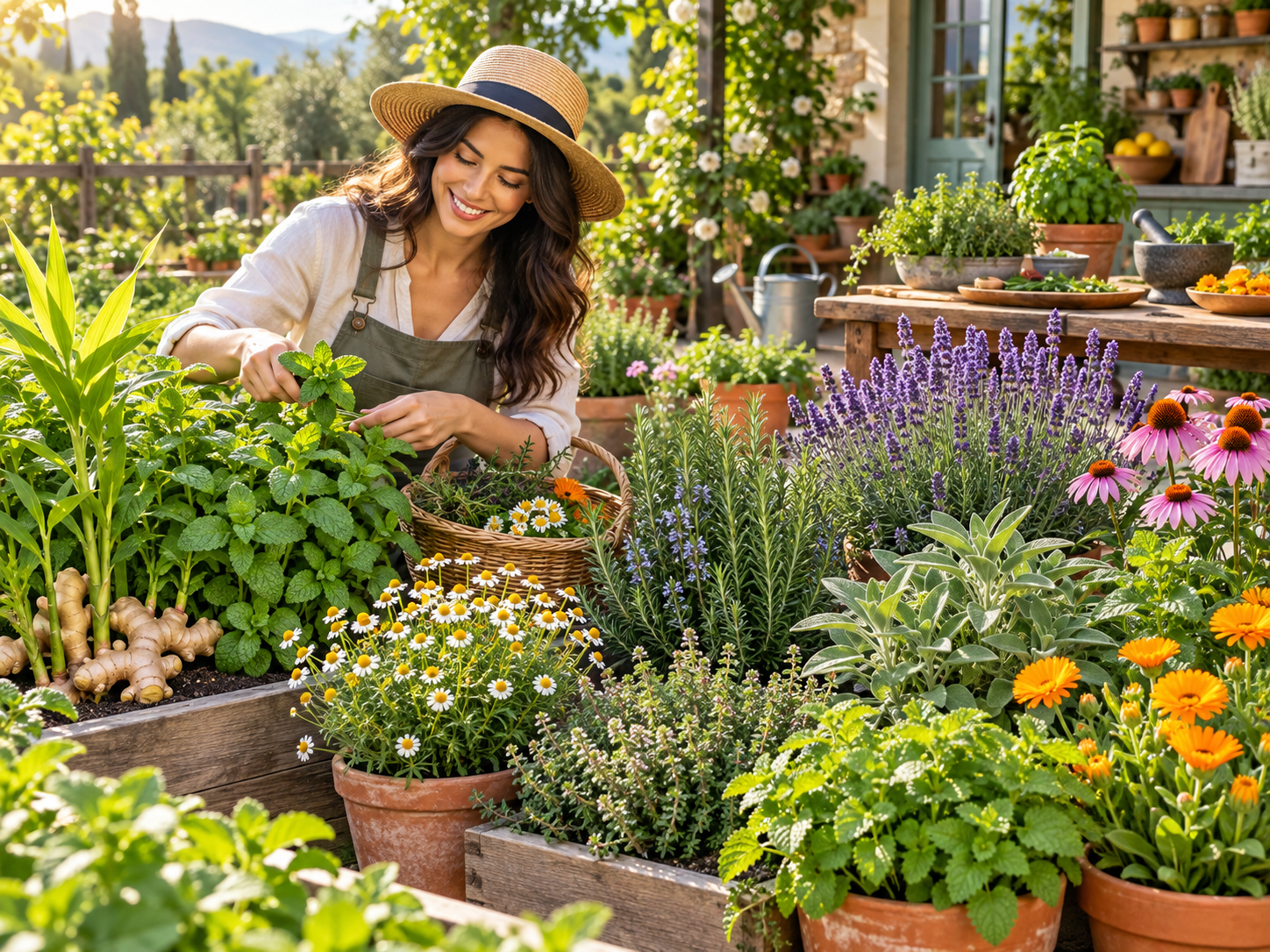
Imagine stepping into your backyard or kitchen garden and gathering fresh herbs for a soothing cup of tea, a fragrant meal, or a relaxing evening ritual.
For centuries, families across Asia, Europe, and other regions have cultivated herbs for cooking and traditional wellness practices.
Today, growing an herb garden offers practical advantages: fresh ingredients, a connection with nature, less reliance on packaged seasonings, and an opportunity to learn about plants that have been used in traditional healing systems.
However, natural does not always mean harmless. Medicinal preparations can interact with medications, and many traditional benefits have not been established by strong clinical research.
Here are ten herbs worth considering for a home wellness garden.
1. Peppermint — A Refreshing Garden Favorite
Botanical name: Mentha × piperita
Peppermint is valued for its cooling aroma and distinctive flavor.
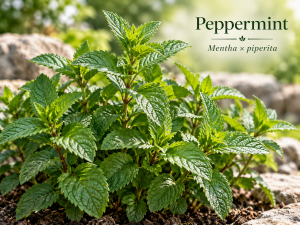
Traditionally, mint leaves have been prepared as tea after meals.
Research suggests that specially formulated peppermint oil capsules may help relieve symptoms of irritable bowel syndrome, although this does not establish that ordinary peppermint tea has the same effects.
Growing tip: Grow peppermint in a separate container because it spreads aggressively.
Caution: Peppermint products may worsen acid reflux. Concentrated essential oils should never be treated as equivalent to ordinary herbal tea.
2. Ginger — A Warming Culinary Root
Botanical name: Zingiber officinale
Ginger is a familiar ingredient in Vietnamese and other Asian cuisines.
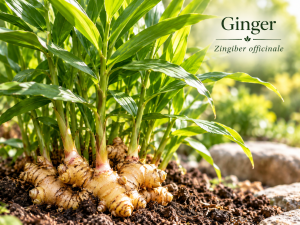
Its spicy rhizome is used in soups, stir-fries, sauces, and warm beverages.
Clinical research suggests that ginger supplements may help some forms of nausea, including pregnancy-related nausea. Evidence varies depending on the condition and preparation.
Growing tip: Plant healthy rhizome sections in well-drained soil, providing warmth and partial shade.
Caution: Medicinal quantities may cause gastrointestinal side effects or interact with medications. Pregnant individuals should discuss supplement use with a healthcare professional.
3. Chamomile — A Gentle Evening Tradition
Botanical name: Matricaria chamomilla
Chamomile produces small daisy-like flowers traditionally brewed into a fragrant tea.
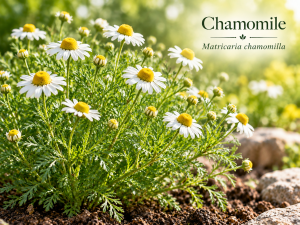
It is commonly associated with relaxation and bedtime routines, although scientific evidence supporting its effectiveness for insomnia remains limited.
Growing tip: Plant in a sunny location with well-drained soil and collect flowers once fully opened.
Caution: Individuals allergic to ragweed or related plants may experience allergic reactions. Chamomile may also interact with warfarin and sedative medications.
4. Thyme — A Small Herb With a Big Aroma
Botanical name: Thymus vulgaris
Thyme is a compact perennial commonly used to flavor vegetables, beans, soups, and roasted dishes.
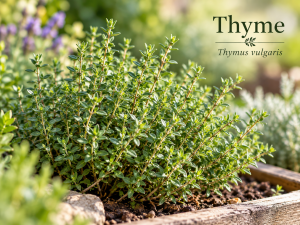
It also has a long history of traditional respiratory use. Some commercial preparations combining thyme with other ingredients have been studied for cough symptoms, but homemade thyme tea should not be considered a proven treatment for respiratory infections.
Growing tip: Provide full sunlight and excellent drainage.
Caution: Medicinal extracts can differ substantially from normal culinary use.
5. Sage — An Aromatic Kitchen Essential
Botanical name: Salvia officinalis
Sage’s velvety leaves add flavor to vegetable dishes, sauces, and savory recipes.
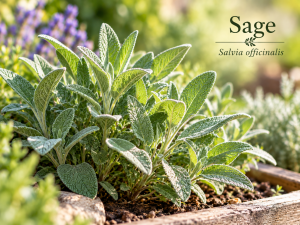
Traditional herbal practices have included sage preparations for minor throat discomfort.
Research is not sufficient to recommend homemade sage preparations as a substitute for medical treatment.
Growing tip: Choose a sunny location and avoid overwatering.
Caution: Some sage species and concentrated oils contain thujone, which can be toxic in excessive amounts. Avoid medicinal doses during pregnancy unless advised by a qualified healthcare professional.
6. Rosemary — Fragrance and Flavor
Botanical name: Salvia rosmarinus
Rosemary is popular for its distinctive pine-like fragrance.
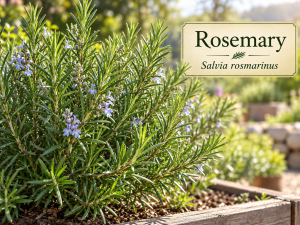
It works beautifully in roasted potatoes, bread, beans, and vegetable preparations.
Although rosemary is frequently promoted for memory and concentration, available human evidence does not establish it as a treatment for cognitive disorders.
Growing tip: Rosemary thrives in sunny conditions with well-drained soil.
Caution: Ordinary culinary use differs significantly from concentrated rosemary extracts or essential oils.
7. Lemon Balm — A Delightful Citrus-Scented Herb
Botanical name: Melissa officinalis
Lemon balm belongs to the mint family and produces leaves with a pleasant lemon fragrance.
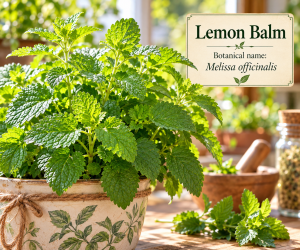
Traditionally used in calming teas, it has also been investigated for stress and sleep-related symptoms.
Preliminary findings are promising in some areas, but stronger research is needed.
Growing tip: Grow in sun or partial shade, preferably in a container.
Caution: Ask a healthcare professional before medicinal use, particularly when taking prescription medications.
8. Lavender — Fragrance for Home and Garden
Botanical name: Lavandula angustifolia
Lavender brings purple flowers, a distinctive scent, and pollinator appeal to home gardens.
Lavender aromatherapy is frequently associated with relaxation, although research varies by preparation and intended use.
Growing tip: Provide strong sunlight, good airflow, and well-drained soil.
Caution: Essential oils should not be swallowed casually and may irritate skin when applied improperly.
9. Echinacea — A Pollinator-Friendly Flower
Botanical name: Echinacea purpurea
Echinacea produces striking purple flowers that attract bees and butterflies.
It has a history of traditional use for respiratory illnesses.
Research suggests that some echinacea preparations may slightly lower the likelihood of catching a cold, but whether they reliably shorten illness is uncertain.
Growing tip: Plant in full sun and avoid waterlogged soil.
Caution: Allergic reactions can occur, particularly in people sensitive to related plants. Medicinal preparations may interact with certain medications.
10. Calendula — Bright Flowers for a Colorful Garden
Botanical name: Calendula officinalis
Calendula, often called pot marigold, produces vibrant orange and yellow flowers.
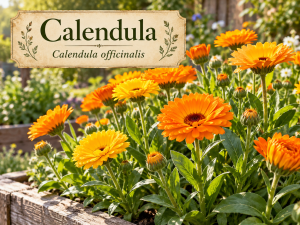
It has traditionally been used in skin-care preparations and adds beauty to garden borders.
Although some topical calendula preparations have been investigated for skin irritation and wound care, evidence remains insufficient for broad medical claims.
Growing tip: Plant in sunny locations, water moderately, and remove faded flowers to encourage blooming.
Caution: Avoid use if allergic to related plants, and do not apply homemade preparations to infected or serious wounds in place of medical care.
11. Basil — A Fragrant Herb for Cooking and Wellness
Botanical name: Ocimum basilicum
Basil is a popular aromatic herb known for its bright green leaves, distinctive fragrance, and versatility in cuisines around the world.
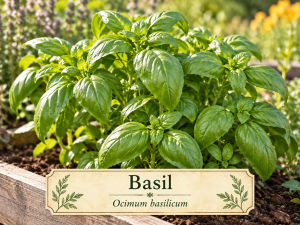
It is especially valued in Italian and Asian cooking, adding fresh flavor to salads, soups, sauces, and vegetable dishes.
Basil contains plant compounds, including rosmarinic acid and other antioxidants, that have attracted scientific interest for their potential health benefits.
Although laboratory studies suggest anti-inflammatory and antioxidant properties, more human research is needed to establish medicinal benefits.
Growing tip: Plant basil in a warm, sunny location with well-drained soil. Water regularly, pinch back growing tips to encourage bushier growth, and harvest leaves frequently.
Caution: Basil is generally safe in normal culinary amounts. Concentrated extracts and essential oils may have different safety profiles and should not be used medicinally without appropriate guidance.
12. Oregano — A Flavorful Mediterranean Herb
Botanical name: Origanum vulgare
Oregano is a hardy, fragrant perennial herb widely used in Mediterranean cooking and traditional herbal practices.
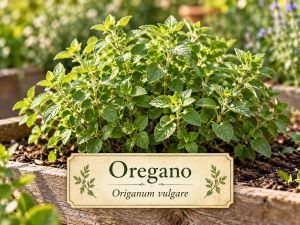
Its small, aromatic leaves contain naturally occurring compounds such as carvacrol and thymol, which have demonstrated antimicrobial and antioxidant activity in laboratory studies.
Oregano is commonly used to flavor tomato sauces, soups, beans, roasted vegetables, and homemade herbal seasonings.
Although oregano extracts have shown interesting properties in laboratory research, there is insufficient clinical evidence to recommend oregano as a treatment for bacterial infections or other medical conditions.
Growing tip: Plant oregano in full sunlight and well-drained soil. Allow the soil to dry slightly between watering, trim regularly to encourage bushy growth, and harvest leaves before flowering for strong flavor.
Caution: Oregano is generally safe when consumed in normal food quantities. Concentrated oregano oil can irritate the digestive tract and skin, and medicinal preparations may interact with certain medications. Avoid using essential oils internally without professional guidance.
How to Start Your Home Herb Garden
You do not need a large backyard.
A balcony, patio, raised planter, or sunny kitchen windowsill may provide enough space for several varieties.
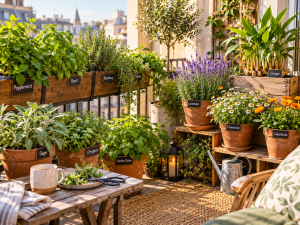
Start with three or four herbs suited to your climate. Select containers with drainage holes and use appropriate potting soil.
Harvest only plants you can identify confidently, and keep all herbs away from pesticides not approved for edible crops.
For most beginners, cooking with fresh herbs is a safer starting point than preparing concentrated tinctures, essential oils, or medicinal extracts.
A Garden for Wellness, Not a Replacement for Healthcare
A home herb garden offers opportunities to enjoy fresh flavors, learn traditional plant knowledge, and spend time outdoors.
Certain herbal preparations may provide specific benefits, but those effects depend on species, preparation, dose, and individual health circumstances.
Anyone who is pregnant, breastfeeding, taking medications, or managing a chronic condition should seek professional guidance before using herbs medicinally.
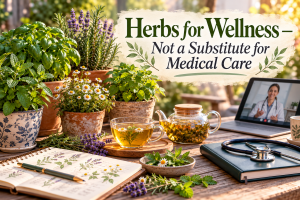
The most valuable home garden may not be a pharmacy in the literal sense, but a beautiful, practical place where food, nature, and informed wellness traditions come together.
VietEcho Health & Wellbeing — Exploring healthier living through science, nutrition, and tradition.