
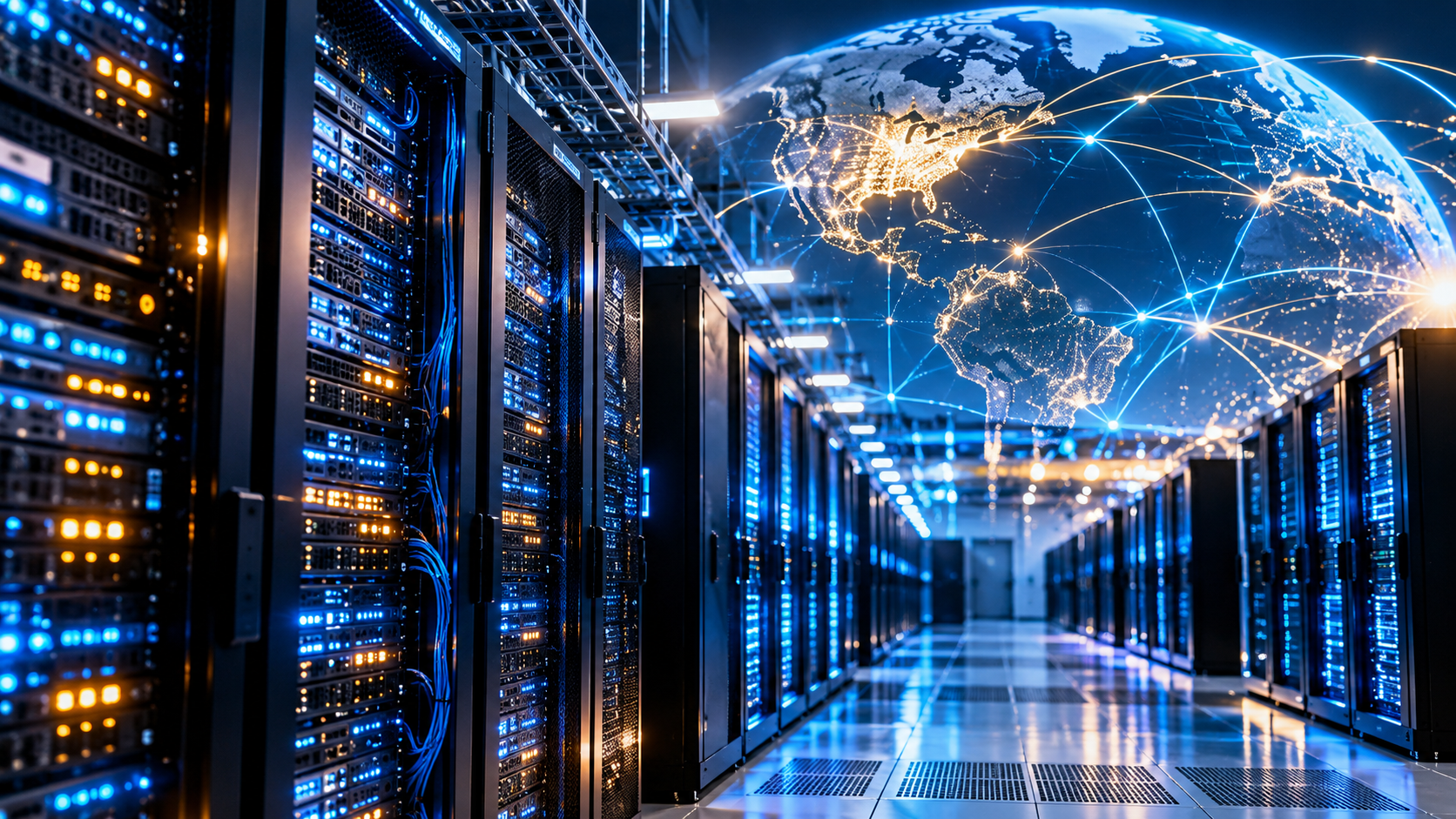
BANGKOK, October 16, 2026 — The global artificial intelligence boom is entering a new phase, with central bankers warning that unprecedented investment in data centers, semiconductors, power grids, and digital infrastructure could keep borrowing costs elevated and introduce new risks to financial markets.
At the annual meetings of the International Monetary Fund (IMF) and World Bank in Bangkok, policymakers discussed how the rapid expansion of AI infrastructure is reshaping the global economy.
Although artificial intelligence promises substantial improvements in productivity, the financial costs of building the technology are arriving much sooner than many of its anticipated economic benefits.
The Race to Finance Artificial Intelligence
Technology companies are investing heavily in specialized chips, high-performance computing systems, cooling equipment, and electricity infrastructure.
These investments require enormous amounts of capital, placing additional demand on global financing markets.
As corporations compete for funding, borrowing costs may remain elevated, particularly for businesses that depend heavily on debt.
The effects could extend beyond technology companies, influencing construction, utilities, manufacturing, and other industries.
Why AI Could Contribute to Inflation
The AI expansion is creating strong demand for several resources simultaneously, including electricity, industrial equipment, construction materials, and skilled labor.
When demand grows faster than supply, prices can rise.
Chicago Federal Reserve President Austan Goolsbee recently expressed concern that AI-related price pressures were spreading beyond data centers into other sectors of the economy.
An October 15 analysis from the Federal Reserve Bank of San Francisco also noted that AI investment had contributed to higher prices for certain technology products.
However, the long-term economic effects remain uncertain.
Could Artificial Intelligence Eventually Lower Prices?
Despite these concerns, AI could eventually help businesses become more productive.
Companies may use artificial intelligence to automate repetitive tasks, improve logistics, accelerate research, and reduce operating expenses.
Greater productivity could ultimately help moderate inflation.
The central challenge is timing: infrastructure spending is occurring now, while the promised productivity improvements may take years to materialize.
Financial Markets Face a New Test
Investors are also questioning whether AI companies can generate enough revenue to justify their substantial infrastructure investments.
Companies relying heavily on borrowed funds may become more vulnerable if financing costs remain high or expected profits fail to materialize.
A slowdown in investor confidence could affect technology stocks, corporate credit markets, and businesses supplying AI infrastructure.
Still, these risks do not necessarily mean that the AI industry is heading toward a financial collapse.
Demand for computing capacity remains substantial, and the technology’s long-term economic potential continues to attract investment.
What This Means for Consumers and Businesses
For ordinary households, the AI investment boom could have indirect financial consequences.
Higher borrowing costs may affect mortgage rates, business loans, and other forms of credit. Increased demand for electricity and equipment could also influence costs in certain markets.
For businesses, the challenge is balancing the potential benefits of AI adoption against rising technology and financing expenses.
The Federal Reserve and other central banks will need to assess whether AI-driven demand is adding to inflation faster than productivity improvements can offset it.
The Bigger Picture
Artificial intelligence may become one of the defining economic technologies of this generation.
But its rapid expansion is also testing the financial systems needed to support it.
The central question is no longer simply how powerful AI can become. It is whether the global economy can finance its growth sustainably while managing inflation and financial stability.
VietEcho | Technology & Finance