VIETECHO NEWS | U.S. NEWS | OCTOBER 8, 2026
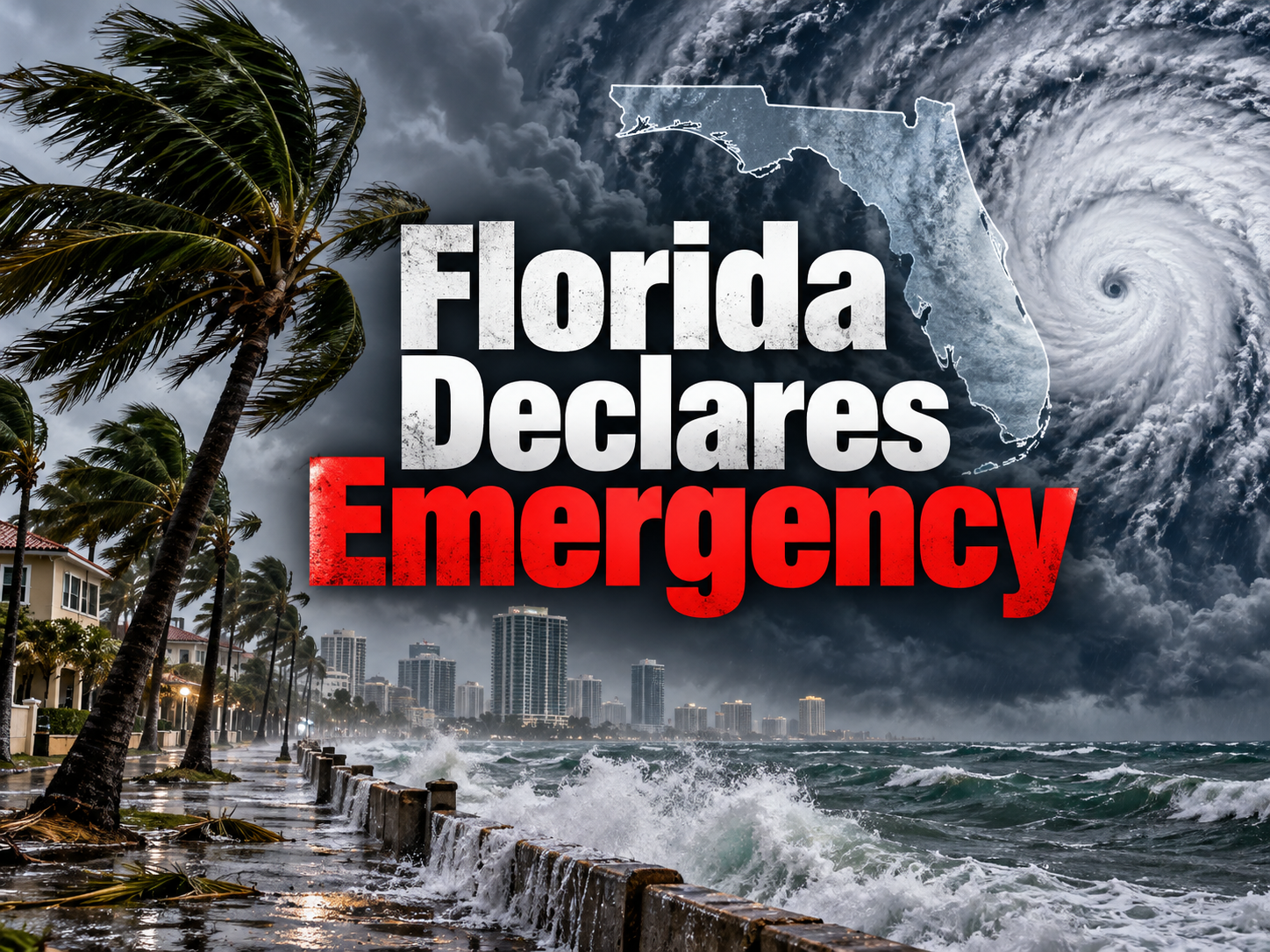
Florida has declared a state of emergency across 25 counties as Tropical Storm Isaias approaches the northern Gulf Coast, raising concerns about potentially destructive winds, heavy rainfall, flash flooding, and dangerous storm surge.
Governor Ron DeSantis issued the declaration as emergency management teams began mobilizing resources ahead of a storm that forecasters expect to intensify into a hurricane.
Other Gulf Coast communities are also preparing as uncertainty remains over the storm’s exact path and landfall location.
A Potentially Powerful Hurricane
According to the National Hurricane Center, Isaias formed in the Gulf of Mexico and began strengthening while moving toward the northeastern Gulf Coast.
Forecasts issued October 7 indicated that Isaias could become a hurricane on Thursday and potentially intensify into a major hurricane before approaching land.
A Category 3 hurricane carries sustained winds of at least 111 miles per hour.
However, projected intensity and landfall locations can change considerably as weather conditions evolve.
Residents should not interpret the center of the forecast track as the only area facing danger.
Florida Takes Precautionary Action
Florida’s emergency declaration allows state agencies to coordinate personnel, transportation, emergency equipment, and critical supplies before potentially hazardous conditions arrive.
Preparedness efforts include positioning generators, drinking water, food supplies, fuel, and flood-control equipment.
Emergency declarations can also help state officials coordinate assistance from federal and neighboring state agencies.
A declaration itself does not mean every affected county has issued an evacuation order.
The Greatest Threat May Be Water
Although hurricane winds often dominate headlines, storm surge and flooding can be especially dangerous.
Storm surge occurs when powerful winds push seawater onto the coast, causing water levels to rise rapidly.
Heavy rainfall can also overwhelm drainage networks, creating flash flooding even in areas far from the shoreline.
The National Hurricane Center has warned of potentially life-threatening conditions along portions of the northern Gulf Coast.
Coastal residents, especially those in low-lying areas, should closely monitor local evacuation announcements.
Possible Effects Beyond Florida
Louisiana, Mississippi, and Alabama also face potential effects from the storm.
Offshore oil and natural gas operations have begun precautionary shutdowns, according to Reuters, with workers evacuated from some facilities.
Storm-related production interruptions may have temporary implications for energy markets, although their ultimate effect will depend on the storm’s path and the duration of shutdowns.
Travel disruptions, road closures, power outages, and canceled outdoor events are also possible.
How Families Can Prepare
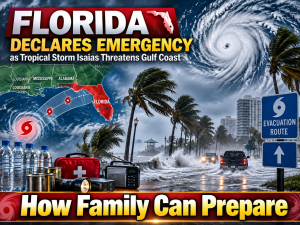
Emergency management authorities recommend preparing before tropical storm conditions develop.
Residents should:
- Keep several days of drinking water, food, and necessary medications available.
- Charge phones and portable batteries.
- Secure outdoor furniture and loose belongings.
- Review evacuation routes and local shelter information.
- Protect important documents in waterproof containers.
- Avoid driving through flooded roads.
- Follow official weather alerts rather than relying on social media rumors.
Anyone dependent on electrically powered medical equipment should make an emergency power and relocation plan.
The Next 48 Hours Matter
Forecasts continue to evolve as Isaias moves across the Gulf.
Residents should consult the National Hurricane Center and local emergency management agencies for the latest storm watches, warnings, and evacuation instructions.
Forecast information in this article reflects reporting available October 7, 2026, and must be updated against the latest National Hurricane Center advisory before publication.
VietEcho will continue following this developing weather emergency.