
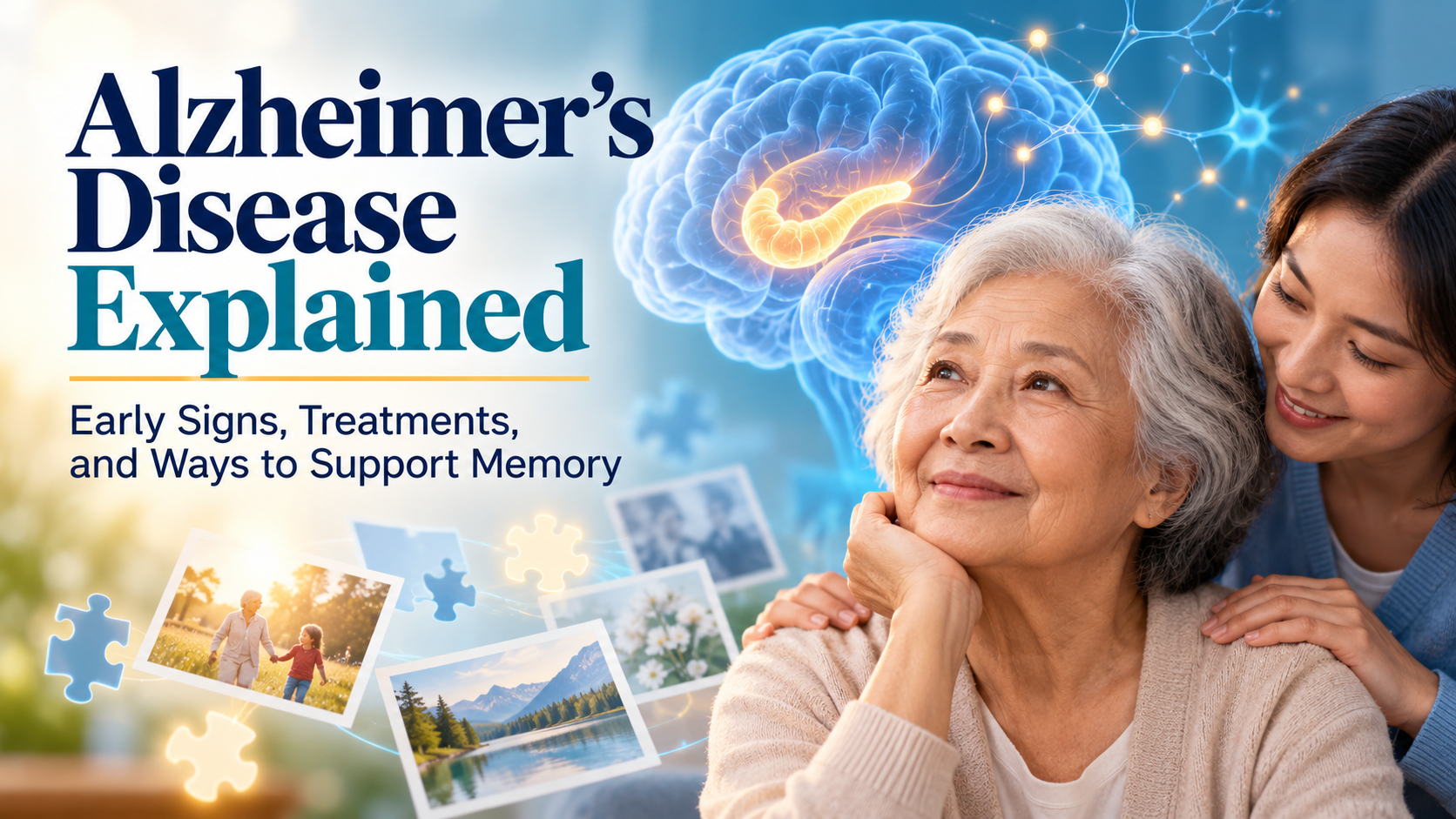
Forgetting a name or misplacing your keys occasionally can be part of everyday life. But persistent memory problems that disrupt daily activities may be a warning sign of Alzheimer’s disease—or another condition worth evaluating.
What is Alzheimer’s disease?
Alzheimer’s disease is a progressive disorder of the brain and the most common cause of dementia. Dementia is an umbrella term for problems with memory, thinking, and daily functioning severe enough to interfere with independence. Not all dementia is caused by Alzheimer’s.
What happens inside the brain?
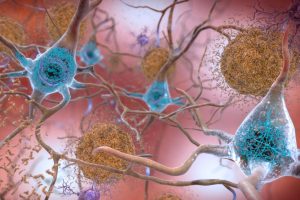
Abnormal beta-amyloid accumulates in plaques outside neurons, while altered tau proteins form tangles inside nerve cells. Alongside inflammation and other changes, these processes contribute to damaged communication between neurons and eventual brain-cell loss. The hippocampus, involved in forming new memories, is commonly affected early.
Early warning signs of Alzheimer’s
Possible signs include repeatedly asking the same questions, forgetting recent conversations, confusion about familiar tasks or places, difficulty managing finances, word-finding problems, and changes in judgment or behavior. Symptoms develop differently in different people.

Memory loss does not automatically mean Alzheimer’s. Sleep deprivation, depression, medications, thyroid problems, and vitamin B12 deficiency can also affect thinking. New or worsening concerns warrant an assessment by a healthcare professional. Sudden confusion or stroke-like symptoms require urgent evaluation.
Which treatments are available?
Medications that help manage symptoms

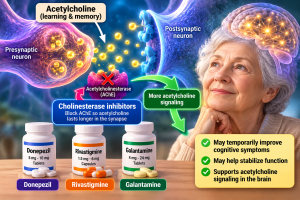
Cholinesterase inhibitors such as donepezil, rivastigmine, and galantamine help maintain acetylcholine signaling and may temporarily improve or stabilize some symptoms. Memantine acts on glutamate signaling and is used for moderate to severe Alzheimer’s disease. These medications do not cure the underlying condition.
Anti-amyloid treatments for selected patients
Lecanemab (Leqembi) and donanemab (Kisunla) are anti-amyloid therapies that can modestly slow cognitive decline in some patients with early Alzheimer’s disease. They are not suitable for everyone, do not restore memories already lost, and require confirmation of amyloid pathology and careful specialist assessment.
Important side effects include amyloid-related imaging abnormalities, or ARIA, which can involve brain swelling or bleeding. MRI scans are required before and during treatment. Risk assessment, including APOE genetic status, may be part of treatment planning. Patients should discuss benefits, risks, and monitoring with their care team.
Seven everyday habits that support brain health
- Move your body: Aim for regular, sustainable exercise such as walking, cycling, or swimming.

2. Choose a balanced eating pattern: Emphasize vegetables, fruits, legumes, whole grains, nuts, and unsaturated fats. Mediterranean-style dietary patterns may support cardiovascular and brain health.

3. Protect your sleep: Keep a consistent schedule and ask about possible sleep apnea if symptoms suggest it.

4. Keep learning: Read, practice music, learn new skills, and participate in mentally stimulating activities.

5. Maintain relationships: Stay connected with friends, family, and community.

6. Manage cardiovasular risks: Address high blood pressure, diabetes, high cholesterol, smoking, and excessive alcohol use.

7. Address hearing and vision problems: Seek assessment and appropriate treatment for sensory difficulties.

These steps may help lower the risk of cognitive decline and support general health, but none is guaranteed to prevent or reverse Alzheimer’s disease. Be cautious of products or supplements claiming to cure dementia.
When should you seek help?
If memory problems persist or interfere with work, finances, medication management, driving, or familiar routines, schedule a medical evaluation. Assessment may include a clinical history, cognitive testing, laboratory tests, imaging, and referral to a specialist. Early evaluation can uncover treatable contributors and help families plan support and care.
The bottom line
Alzheimer’s is not a normal or inevitable part of aging. Although there is no cure, medications and supportive care can help some people, and newer treatments can slow decline for certain patients in the early stages. Protecting physical health, staying socially connected, and getting concerning symptoms evaluated are meaningful steps.

Sources
- National Institute on Aging — How Is Alzheimer’s Disease Treated?
- National Institutes of Health — Dementia
- National Institute of Neurological Disorders and Stroke — Dementia
- FDA-approved prescribing information — Leqembi
VietEcho Health & Wellbeing | General educational information; not a substitute for personalized medical advice.