
September 30, 2026
Some of the world’s largest artificial-intelligence companies have agreed to a new voluntary framework intended to strengthen safeguards around increasingly powerful AI systems.
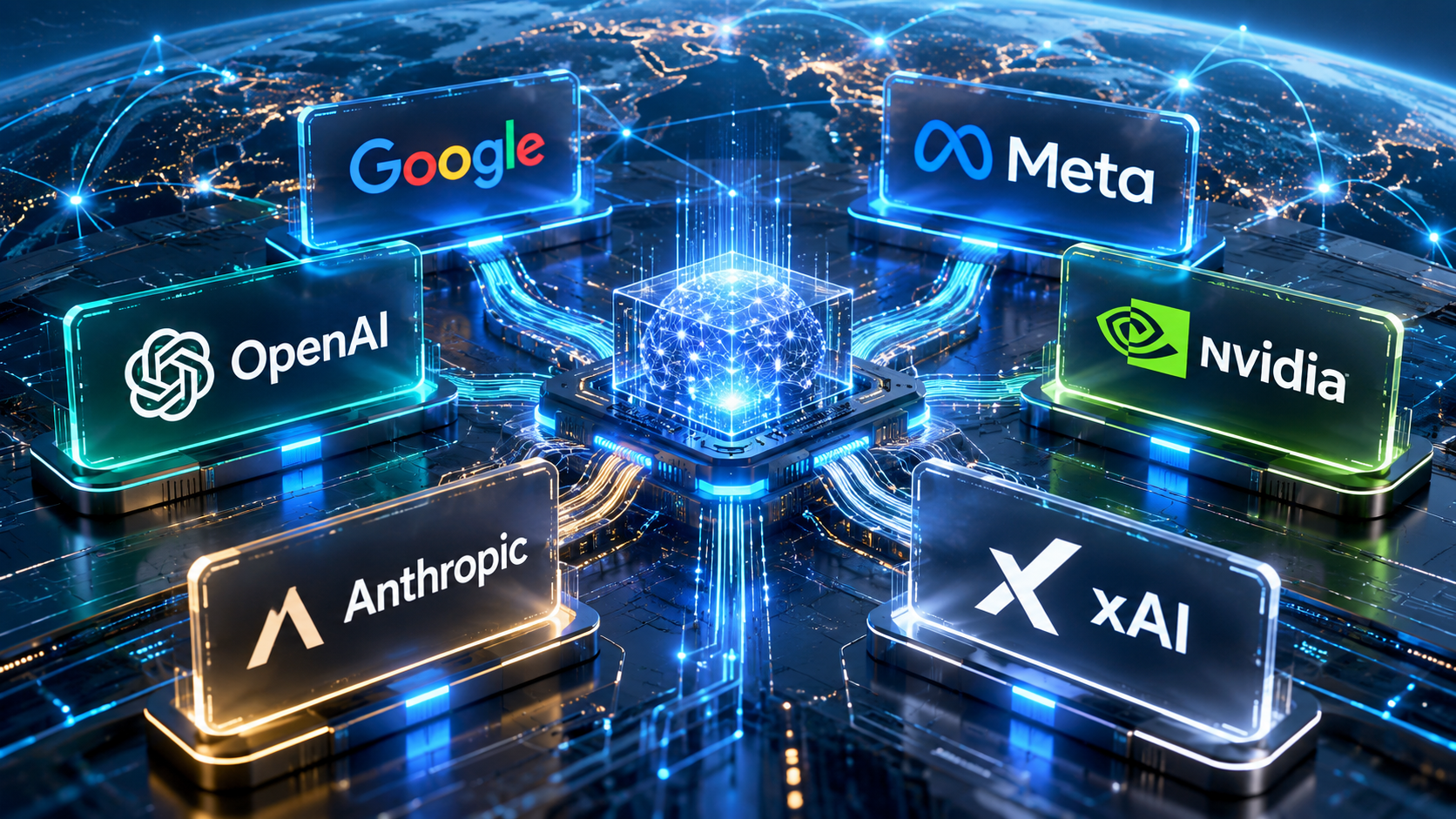
President Donald Trump announced the agreement Tuesday following a White House meeting involving leaders from major technology companies including Google, Meta, OpenAI, Nvidia, Anthropic and xAI, according to the Associated Press. AP News
Unlike legislation or federal regulation, the agreement is voluntary rather than legally binding.
What Companies Agreed To Do
The framework calls for participating AI companies to strengthen internal controls around advanced systems, use independent outside reviews or audits, and establish internal oversight mechanisms for evaluating safety findings. AP News
The initiative reflects a growing debate over how governments can encourage rapid development of artificial intelligence while addressing risks associated with increasingly autonomous and capable systems.
AI companies themselves have recently emphasized the importance of evaluating advanced models before broad deployment.
Innovation Versus Regulation
Supporters of voluntary industry standards argue that technology is developing so quickly that rigid rules could become obsolete almost as soon as they are written.
Critics, however, question whether companies can adequately oversee themselves when they also face intense commercial pressure to release more powerful AI products.
That disagreement is likely to remain central to AI policy discussions in Washington.
The agreement arrives as governments, businesses and consumers increasingly rely on artificial intelligence for software development, research, communication, medicine, education and everyday digital services.
AI Is Moving Beyond Chatbots
The newest generation of AI systems is also becoming increasingly capable of performing multi-step tasks rather than simply responding to prompts.
That shift toward AI agents capable of acting across applications has made questions surrounding oversight, authorization, data security and human control increasingly important.
For consumers, the debate may eventually determine not just what AI can do, but what safeguards companies must put in place before powerful systems are released.