Scientists Discover Natural Compound That Kills Dangerous Gut Bacteria While Sparing Beneficial Microbes
VietEcho Health & Science | October 21, 2026
Researchers have discovered a promising natural antibacterial compound that targets Clostridioides difficile, a potentially deadly intestinal bacterium, while preserving much of the beneficial gut microbiome. The findings could open a new chapter in the treatment of antibiotic-associated intestinal infections.
A Promising Discovery in the Fight Against Dangerous Gut Infections
Scientists in Germany have identified a naturally occurring antibacterial compound that may offer a more targeted approach to treating dangerous intestinal infections without destroying much of the beneficial bacteria that protect the digestive system.
The compound, known as argyrin B, has shown promising activity against Clostridioides difficile, commonly known as C. difficile or C. diff.
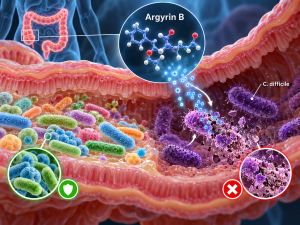
Researchers at the Helmholtz Centre for Infection Research and Saarland University found that argyrin B significantly reduced the number of C. difficile bacteria in laboratory experiments and infected mice while having relatively little effect on many beneficial microorganisms.
The research, published in October 2026 in the scientific journal npj Antimicrobials and Resistance, represents an encouraging development in the search for more selective antibiotic therapies.
Unlike broad-spectrum antibiotics that can affect many different bacterial species, argyrin B appears to target C. difficile while largely preserving the microorganisms that help maintain intestinal health.
However, the compound remains experimental. Its safety and effectiveness in humans have not yet been established.
Why C. difficile Is So Dangerous
C. difficile is a bacterium capable of causing serious inflammation of the colon, particularly after antibiotic treatment.
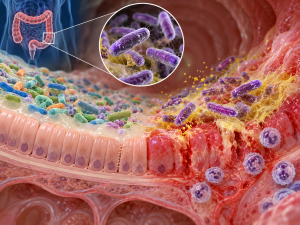
It can produce two major toxins, known as toxin A and toxin B, which damage intestinal cells and trigger inflammation.
Symptoms of infection may include:
- Frequent watery diarrhea
- Abdominal cramping and tenderness
- Fever and nausea
- Dehydration and weakness
- Elevated white blood cell counts
- Severe inflammation of the colon
In serious cases, C. difficile infection can progress to pseudomembranous colitis, toxic megacolon, intestinal perforation, sepsis, and even death.
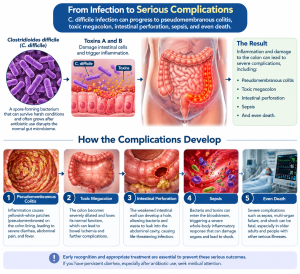
The infection is especially concerning among older adults, hospitalized patients, individuals with significant underlying illnesses, and people who have recently received antibiotics.
One of the greatest challenges is recurrence. Some patients develop another infection after apparently successful treatment.
To understand why this happens, it is important to examine the relationship between antibiotics and the normal bacteria living inside the human intestine.
The Hidden Danger of Antibiotics: Killing Both Good and Bad Bacteria
Antibiotics are among the most important discoveries in modern medicine. They have saved countless lives by treating bacterial infections that once caused widespread death.
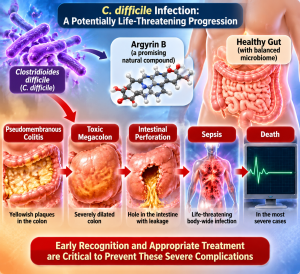
However, many antibiotics do not distinguish perfectly between harmful bacteria and the beneficial microorganisms that normally live in our bodies.
Inside the digestive tract, trillions of microorganisms form a complex ecosystem known as the gut microbiome.
Many of these microorganisms play essential roles in maintaining health.
They help break down certain dietary fibers, produce beneficial metabolites, support immune function, and prevent harmful bacteria from becoming established.
One particularly important function is known as colonization resistance.
This means that beneficial bacteria compete with potentially harmful microorganisms for nutrients and space, making it more difficult for disease-causing bacteria to multiply.
What Happens When We Take Antibiotics?
Imagine the gut as a healthy garden.
Beneficial bacteria are like the plants that occupy the soil and prevent weeds from spreading.
When a broad-spectrum antibiotic is taken, it may kill the bacteria responsible for an infection, but it can also eliminate substantial populations of beneficial intestinal bacteria.
This creates empty spaces in the microbial ecosystem.
Certain harmful organisms, including C. difficile, may then gain an opportunity to multiply.
C. difficile is especially troublesome because it can form hardy spores that survive environmental conditions and resist many cleaning methods.
While antibiotics disrupt susceptible intestinal bacteria, C. difficile spores may persist.
When conditions become favorable, the spores can germinate into actively growing bacteria.
These bacteria may then produce toxins that injure the lining of the colon.
The resulting inflammation can cause severe diarrhea, fluid loss, abdominal pain, and potentially life-threatening complications.
Not everyone who takes antibiotics develops C. difficile infection. The risk depends on several factors, including the antibiotic used, duration of exposure, age, underlying health conditions, and exposure to the organism.
Which Antibiotics Are Associated With Higher Risk?
Several antibiotics have been strongly associated with an increased risk of C. difficile infection, particularly:
- Clindamycin
- Fluoroquinolones, such as ciprofloxacin
- Third-generation cephalosporins, such as ceftriaxone
- Certain broad-spectrum penicillins and other antibiotics
However, almost any systemic antibiotic can potentially disrupt the intestinal microbiome.
This does not mean patients should avoid medically necessary antibiotics.
Instead, antibiotics should be used appropriately, at the correct dose and for an appropriate duration, under medical guidance.
Antibiotics do not treat viral illnesses such as the common cold or influenza, and unnecessary use can expose patients to avoidable risks.
Why C. difficile Can Return After Treatment
Even when an initial C. difficile infection is successfully treated, the gut microbiome may take time to recover.
During this period, the intestine may remain vulnerable to another infection.
Some patients experience repeated episodes of diarrhea caused by recurrent C. difficile infection.
Recurrence can occur because spores persist or because the patient is exposed to the organism again.
This presents a significant medical challenge.
Conventional antibiotics can suppress C. difficile, but some treatments may also affect other intestinal bacteria, potentially delaying restoration of normal microbial balance.
Modern treatment strategies increasingly recognize the importance of protecting or restoring the gut microbiome.
This is why the discovery of argyrin B is particularly interesting.
If a future medicine can selectively suppress C. difficile while preserving beneficial bacteria, it may help support the body’s natural defenses against recurrent infection.
That possibility still requires confirmation in human studies.
Scientists Discover a Natural Antibacterial Compound in Soil Microorganisms
Argyrin B belongs to a family of natural compounds originally discovered in myxobacteria, microorganisms commonly found in soil.
These organisms produce biologically active substances that help them compete with other microorganisms in their environment.
Researchers led by Professor Rolf Müller at the Helmholtz Institute for Pharmaceutical Research Saarland investigated whether argyrin B could be effective against C. difficile.
Their findings demonstrated that the compound had strong antibacterial activity against the pathogen.
Dr. Jennifer Herrmann and colleagues reported that argyrin B significantly reduced C. difficile bacterial levels in infected mice.
Importantly, it showed comparatively little activity against many beneficial microorganisms living in the digestive tract.
Earlier research had identified an antibacterial target for argyrins in Pseudomonas aeruginosa, another important disease-causing bacterium.
The researchers found that argyrin B also acts on this target in C. difficile.
This selective activity makes the compound a promising candidate for further investigation.
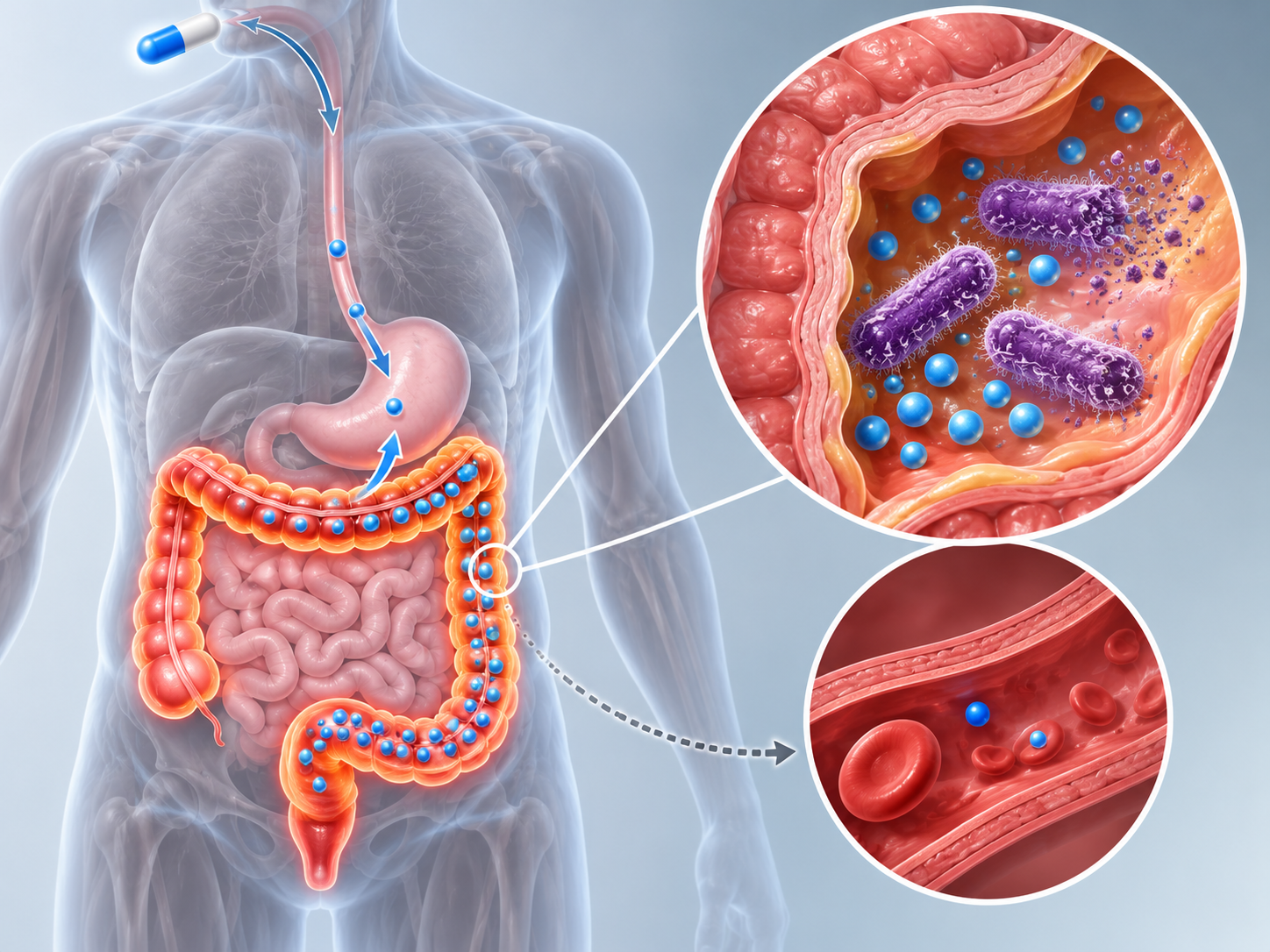
A Potential Advantage: The Compound Remains Mostly in the Intestine
Another encouraging observation involved what happened when argyrin B was administered orally to mice.
Researchers found that relatively little of the compound entered the bloodstream.
Instead, much of it remained in the large intestine, where C. difficile infections occur.
This characteristic may be beneficial for a medicine designed to treat an intestinal infection.
A drug that concentrates where it is needed may reduce unnecessary exposure of other organs.
However, limited absorption does not automatically guarantee safety.
Researchers must still evaluate possible toxicity, dosing requirements, drug interactions, and long-term effects.
Further testing will also be necessary to determine whether the compound behaves similarly in humans.
Could Argyrin B Help Prevent Recurrent Infections?
Current treatments for C. difficile infection include antibiotics such as fidaxomicin and oral vancomycin.
For selected patients experiencing recurrent infections, clinicians may also consider approved microbiota-based treatments designed to restore a healthier intestinal microbial community.
Argyrin B offers a different potential approach.
Rather than focusing primarily on restoring the microbiome after disruption, a selective antibacterial drug might eliminate the pathogen while allowing more of the existing beneficial microorganisms to survive.
If this approach works in humans, it could potentially reduce the likelihood of repeated infections.
Researchers are particularly interested in studying whether argyrin B can help prevent recurrence.
For now, its effectiveness against recurrent human infection remains unproven.
Why This Discovery Matters Beyond C. difficile
The implications of this research extend beyond one intestinal bacterium.
For decades, broad-spectrum antibiotics have been indispensable in medicine.
However, their impact on beneficial bacteria has raised important questions about how antimicrobial treatments can be made more precise.
Scientists are increasingly investigating therapies that target particular pathogens while limiting disruption to the normal microbiome.
Such approaches could potentially improve treatment outcomes, reduce certain complications, and preserve microbial communities that support human health.
Argyrin B represents one example of this developing research direction.
The discovery also highlights the importance of natural products as potential sources of new medicines.
Soil microorganisms have contributed to antibiotic discovery for decades, and researchers continue examining them for substances with medically useful properties.
What Happens Next?
Despite encouraging findings, argyrin B is not ready for clinical use.
Researchers still need to answer several important questions.
Can it safely treat C. difficile infection in humans?
What dose would be most effective?
Could the bacterium develop resistance?
How well will the drug preserve the human gut microbiome?
And most importantly, can it reduce the risk of recurrent infection?
Future laboratory experiments, animal studies, and potentially human clinical trials will be necessary before the compound can be considered for medical approval.
The Bigger Picture: Protecting the Gut Microbiome
The discovery of argyrin B reinforces an important principle in modern medicine: treating an infection should ideally eliminate the harmful organism while preserving as much of the body’s beneficial microbial ecosystem as possible.
Antibiotics remain essential, lifesaving medications.
But unnecessary or inappropriate use can disrupt the gut microbiome and increase susceptibility to complications such as C. difficile infection.
Public awareness, appropriate antibiotic prescribing, effective infection prevention, and continued research into targeted therapies are all important.
For patients with severe or recurring C. difficile infections, more selective treatments could eventually offer additional options.
Although argyrin B remains experimental, its early results provide an encouraging foundation for future antibiotic development.
The goal is not simply to kill harmful bacteria. It is to treat infections effectively while protecting the beneficial microorganisms that help keep us healthy.
Sources and References
Primary scientific research
Rasheed, S., Ehrhardt, K., Abdrabou, A. M. M., and colleagues. (2026). Argyrin B exhibits potent therapeutic efficacy in a Clostridioides difficile-infection mouse model while preserving microbiota functionality. npj Antimicrobials and Resistance.
https://doi.org/10.1038/s44259-026-00248-x
Helmholtz Centre for Infection Research
https://www.helmholtz-hzi.de/en/
ScienceDaily — October 20, 2026
Scientists Discover a Way to Kill Dangerous Gut Bacteria Without Killing the Good.
https://www.sciencedaily.com/releases/2026/10/261019093353.htm
Centers for Disease Control and Prevention — C. difficile
Medical disclaimer: This article is intended for general educational purposes. Argyrin B is an experimental compound and is not an approved treatment for C. difficile infection. Individuals experiencing persistent diarrhea, particularly following antibiotic treatment, should seek medical evaluation. Prescribed antibiotics should not be discontinued without consulting a healthcare professional.
VietEcho — News That Matters.